
Why Are Laminated Fiber Trays a Good Fit for Airline Catering?
Airline meals need oven reheat, stacking storage and weight savings. CPET-laminated fiber trays handle 200 °C reheat, stack rigidly, weigh less than aluminum — and match airline sustainability goals.
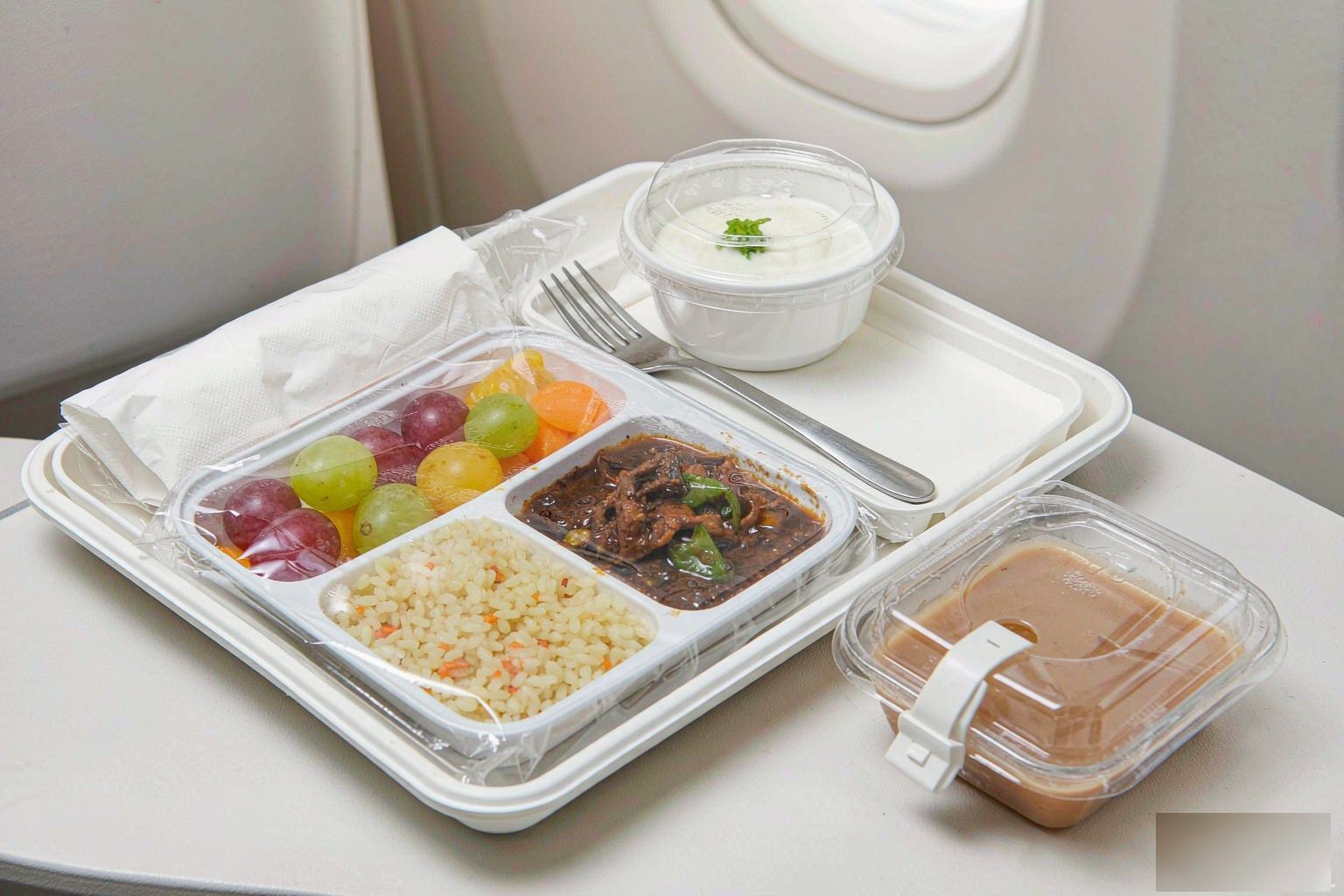
Solution Essentials
Oven reheat
CPET lamination handles 200 °C+ for onboard ovens.
High rigidity
The fiber structure supports stacking and galley storage.
Lightweight
Lighter than aluminum trays, cutting fuel burn.
Brand story
Sustainable packaging supports airline ESG communication.
Airline Structure Recommendations
Choose by aircraft oven type and meal category.
| Reheat solution | CPET lamination |
|---|---|
| Service temp. | -40–220 °C |
| Reheat temperature | 150–200 °C typical |
| Stacking | Tested empty and fully loaded |
| Replaces | Aluminum / PP plastic meal trays |
| Validation | Reheat cycles + stacking compression |
Airline FAQ
Will it survive onboard ovens?
CPET lamination is designed for oven-type reheat — 150–200 °C is routine.
What about cold meals (salads)?
PE or PLA lamination (where degradability is required) works and costs less.
Can airline logos be printed?
Yes — print directly on the molded fiber surface or on the outside of the tray. Printing on the film is possible but not recommended: the ink sits on the adhesive layer, which can weaken the lamination bond, and lamination stretches the film, distorting the artwork.
Need an Assessment for Your Application?
Share your tray geometry, application and performance requirements — a DNW engineer will help evaluate film structure and process parameters.
Discuss Your Project