
What Are the Steps from Lamination Trials to Mass Production?
Mature lamination development follows six structured steps: requirements & DFM review → film selection & trials → sample lamination validation → application performance testing → customer pilot/production introduction → project delivery.
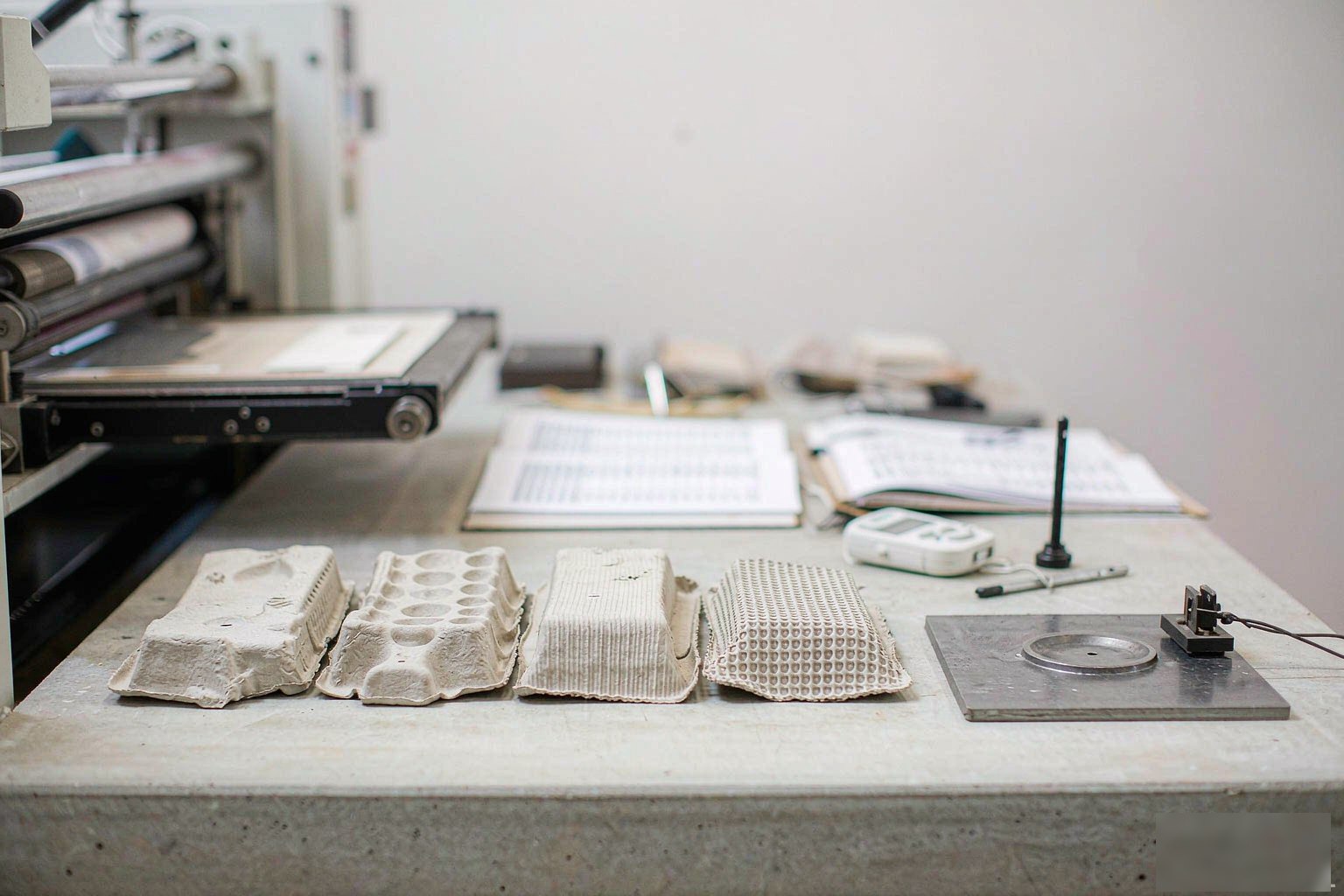
Six Development Steps
Requirements & DFM review
Assess tray structure, depth, radii, draft angles, venting and lamination requirements.
Film selection & trials
Select film type/thickness; tune heating, vacuum draw-down, dwell and other parameters.
Sample lamination validation
Laminate actual trays; check conformance, corners, wrinkles, rupture and appearance.
Application performance testing
Heat-seal, leak, freeze/oven, VSP/MAP tests per application requirements.
Customer pilot / production introduction
Help the customer confirm equipment parameters, film and the production process window.
Project delivery
Compile final parameters and validation results into deliverables.
DNW Lamination Project Timeline & Deliverables
V1.0; items marked * vary with application and validation requirements.
| 1. Requirements & DFM review · 0.5–1 wk | Assess tray structure, depth, radii, draft, venting and lamination needs → lamination feasibility assessment |
|---|---|
| 2. Film selection & trials · 1–2 wks | Film type/thickness selection; tune heating, vacuum draw-down, dwell → initial process window |
| 3. Sample lamination validation · 1–2 wks | Laminate actual trays; check conformance, corners, wrinkles, rupture and appearance → laminated samples + validation records |
| 4. Application performance testing · 1–3 wks* | Heat-seal, leak, freeze/oven, VSP/MAP tests per application → application validation report |
| 5. Customer pilot / production intro · 1–3 wks* | Help confirm equipment parameters, film and production process window → production process parameter recommendations |
| 6. Project delivery · — | Compile final parameters and validation results → process parameter sheet + validation report + operating recommendations |
Process Development FAQ
How long does development take?
Typically about 4–8 weeks; complex projects about 8–12 weeks, depending on tray structure, film and validation requirements.
Can the customer supply their own trays?
Yes. DNW can run lamination feasibility assessment, film selection and process parameter development on the customer's actual trays.
Does changing film require re-development?
Not necessarily. The same or similar film can be tuned within the existing process window; significant changes in material type, thickness or thermal performance require re-validation.
Can we start before the tool is ready?
Yes — early assessment is possible. Lamination DFM review can be done from 3D drawings, with radii and venting recommendations before tooling is cut.
How is production stability ensured?
A production control window is built from key process parameters, film specifications and product quality metrics; an SPC control plan can be added where needed.
Need an Assessment for Your Application?
Share your tray geometry, application and performance requirements — a DNW engineer will help evaluate film structure and process parameters.
Discuss Your Project